another weird thing about beer is that it has weird masculinity connections to it. “ya i’ll get a beer, i don’t want none of them girly drinks” Jimothy, you’re drinking wheat juice with a 5% alcohol content and my mixed, fruity, “girly” drink is 40% alcohol and tastes great
O.KAY *CRACKS KNUCKLES* I AM ABOUT TO GIVE YOU AN EDUCATION
BEER IS TRADITIONALLY A WOMAN’S DRINK, IT IS THE MOST FEMALE OF ALL OF THE DRINKS. FOR THOUSANDS AND THOUSANDS OF YEARS, BEER WAS MADE AT HOME BY WOMEN, TO BE CONSUMED BY WOMEN AND CHILDREN–IT WAS ACTUALLY A SOURCE OF NUTRIENTS FOR MANY HOUSEHOLDS. WOMEN CREATED THE CRAFT OF BEER, AND FOR MOST OF HUMAN HISTORY THAT IS WHO YOU’D BUY IT FROM: MANY WOMEN MADE ADDITIONAL INCOME BY BREWING AND SELLING BEER FROM HOME. IT WASN’T UNTIL THE ERA OF INDUSTRIALIZATION THAT BEER BEGAN TO BE BREWED IN FACTORIES. AND ONCE BEER WAS BEING BREWED ON A LARGE SCALE, IT MADE TO START MARKETING IT TO ALL THE MALE FACTORY WORKERS WHO SUDDENLY HAD EXTRA INCOME. HENCE AN AGGRESSIVE MARKETING CAMPAIGN TO RE-BRAND BEER, A DRINK INTRINSICALLY TIED WITH WOMEN’S HISTORY, AS A ‘MASCULINE’ BEVERAGE.
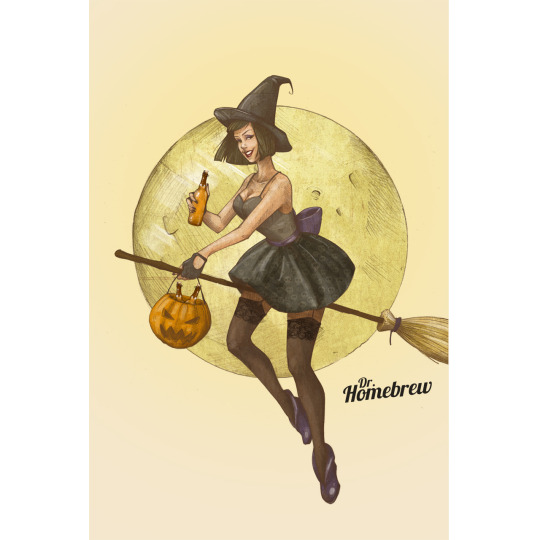
EVEN BETTER, FEMALE BREWSTERS WERE THE ORIGINAL WICKED OLD WITCH. THE TROPES WE COMMONLY ASSOCIATE WITH STEREOTYPICAL WITCHES ARE ACTUALLY BASED ON THE TRADITIONAL BREWSTER. CAULDRONS & HOT STEAMING POTIONS = BEER BREWING. THE WITCH’S HAT: BELIEVE IT OR NOT POINTY HATS WERE ACTUALLY WORN BY BREWSTERS WHEN SELLING THEIR PRODUCT AT MARKETS: THE ENORMOUS HEADGEAR HELPED THEM STAND OUT, AND CLEARLY TOLD EVERYONE ‘YO MOTHERFUCKA GET YOUR BEER HERE’.
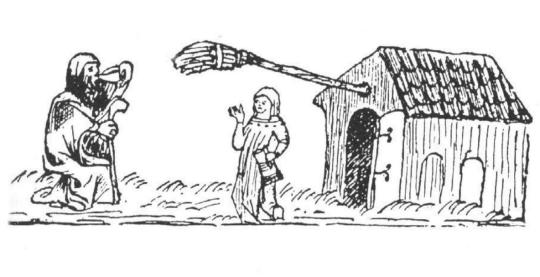
CATS AS FAMILIARS: CATS WERE COMMONLY USED TO PREVENT RODENTS FROM GETTING INTO THE WHEAT. EVEN THE BROOMSTICK IS RELATED TO BEER: A BUNDLE OF TWIGS RESEMBLING A BROOM WAS USED AS AD FOR ALEHOUSES
so basically, beer is the ultimate woman’s and witch’s drink
REBLOG ME
fuck u guys, i didn’t spend 20 min fact checking for 3 notes
ok right links fine
i was probably drunk when i wrote this. best i can remember:
all these whiny bastards complaining about my taste in caps lock. I rewrote it for you:
*Sighs heavily and re-cracks knuckles*
Beer is traditionally a woman’s drink, it is the most female of all of The Drinks. For thousands of years, beer was made at home by women, to be consumed by women and children—it was actually a source of nutrients for many households. Women created the craft of beer, and for most of human history that is who you’d buy it from: many women made additional income by brewing and selling beer from home. It wasn’t until the era of industrialization that beer began to be brewed in factories. And once beer was being brewed on a large scale, it made sense to start marketing it to all the male factory workers who suddenly had extra income. Hence an aggressive marketing campaign to re-brand beer, a drink intrinsically tied with women’s history, as a ‘masculine’ beverage.
final bit:
Even better, female brewters were the original wicked old witch. The tropes we commonly associate with stereotypical witches are actually based on the traditional brewster. Cauldrons & hot steaming potions = beer brewing. The witch’s hat: believe it or not pointy hats were actually worn by brewsters when selling their product at markets: the enormous headgear helped them stand out, and clearly told everyone ‘yo motherfucka get your beer here’.
Cats as familiars: cats were commonly used to prevent rodents from getting into the wheat. Even the broomstick is related to beer: a bundle of twigs resembling a broom was used as advertising for alehouses.
so yeah, beer = witch’s brew. other things to check out:
Fermented low-alcohol beverages being the prime source of safe drinking water, for the whole family, for much of human history.
Beer, women, and the invention of the drinking straw (trivia, the oldest known straw is Sumerian, 5000 years old, made of gold and lapis lazuli. )
Monks horning in on the female-dominated brewing economy, the medieval church persecuting female brewsters
Monks adding hops (and making beer gross) in order to lower their libido (and to avoid the temptation of gay sex)
Dionysus, god of winemaking, and his raving, drunken madwomen followers, the Maenads.
Or any of a long list of goddesses associated w/ beer. Tenenet, the ancient egyptian goddess of childbearing & beer brewing. The earliest beer recipe, found in a 3900 year old poem honoring Ninkasi, patron goddess of brewing
And that’s all for now folks. Happy drinking’
no one ever reblogs this version and i wish they would
what if i told you that a lot of “Americanized” versions of foods were actually the product of immigrant experiences and are not “bastardized versions”
That’s actually fascinating, does anyone have any examples?
I took an entire class about Italian American immigrant cuisine and how it’s a product of their unique immigrant experience. The TL;DR is that many Italian immigrants came from the south (the poor) part of Italy, and were used to a mostly vegetable-based diet. However, when they came to the US they found foods that rich northern Italians were depicted as eating, such as sugar, coffee, wine, and meat, available for prices they could afford for the very first time. This is why Italian Americans were the first to combine meatballs with pasta, and why a lot of Italian American food is sugary and/or fattening. Italian American cuisine is a celebration of Italian immigrants’ newfound access to foods they hadn’t been able to access back home.
(Source: Cinotto, Simone. The Italian American Table: Food, Family, and
Community in New York City. Chicago: U of Illinois, 2013. Print.)
that corned beef and cabbage thing you hear abou irish americans is actually from a similar situation but because they weren’t allowed to eat that stuff due to that artificial famine
❤ FOOD HISTORY ❤
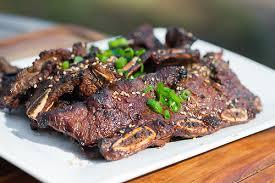
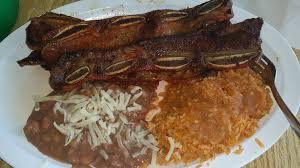
Everyone knows Korean barbecue, right? It looks like this, right?
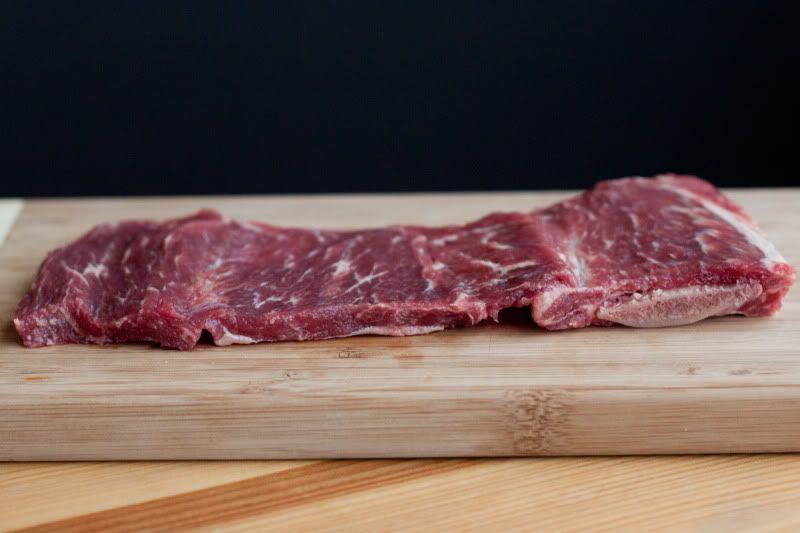
Well, this is called a “flanken cut” and was actually unheard of in traditional Korean cooking. In traditional galbi, the bone is cut about two inches long, separated into individual bones, and the meat is butterflied into a long, thin ribbon, like this:
In fact, the style of galbi with the bones cut short across the length is called “LA Galbi,” as in “Los Angeles-style.” So the “traditional Korean barbecue” is actually a Korean-American dish.
Now, here’s where things get interesting. You see, flanken-cut ribs aren’t actually all that popular in American cooking either. Where they are often used however, is in Mexican cooking, for tablitas.
So you have to imagine these Korean-American immigrants in 1970s Los Angeles getting a hankering for their traditional barbecue. Perhaps they end up going to a corner butcher shop to buy short ribs. Perhaps that butcher shop is owned by a Mexican family. Perhaps they end up buying flanken-cut short ribs for tablitas because that’s what’s available. Perhaps they get slightly weirded out by the way the bones are cut so short, but give it a chance anyway. “Holy crap this is delicious, and you can use the bones as a little handle too, so now galbi is finger food!” Soon, they actually come to prefer the flanken cut over the traditional cut: it’s easier to cook, easier to serve, and delicious, to boot!
Time goes on, Asian fusion becomes popular, and suddenly the flanken cut short rib becomes better known as “Korean BBQ,” when it actually originated as a Korean-Mexican fusion dish!
I don’t know that it actually happened this way, but I like to think it did.
Corned beef and cabbage as we know it today? That came to the Irish immigrants via their Jewish neighbors at kosher delis.
The Irish immigrants almost solely bought their meat from kosher butchers. And what we think of today as Irish corned beef is actually Jewish corned beef thrown into a pot with cabbage and potatoes. The Jewish population in New York City at the time were relatively new immigrants from Eastern and Central Europe. The corned beef they made was from brisket, a kosher cut of meat from the front of the cow. Since brisket is a tougher cut, the salting and cooking processes transformed the meat into the extremely tender, flavorful corned beef we know of today.
The Irish may have been drawn to settling near Jewish neighborhoods and shopping at Jewish butchers because their cultures had many parallels. Both groups were scattered across the globe to escape oppression, had a sacred lost homeland, discriminated against in the US, and had a love for the arts. There was an understanding between the two groups, which was a comfort to the newly arriving immigrants. This relationship can be seen in Irish, Irish-American and Jewish-American folklore. It is not a coincidence that James Joyce made the main character of his masterpiece Ulysses, Leopold Bloom, a man born to Jewish and Irish parents.






 Time's Vengeance
